F-Gas Regas & Refrigerant Recharge
 Officially Registered
Looking for an F gas installer near me? Our F-Gas certified engineers leak-check, repair and recharge air conditioning and refrigeration systems across London from £120 + VAT, in line with the F-Gas Regulations 2014.
What Our F-Gas Regas Service Covers
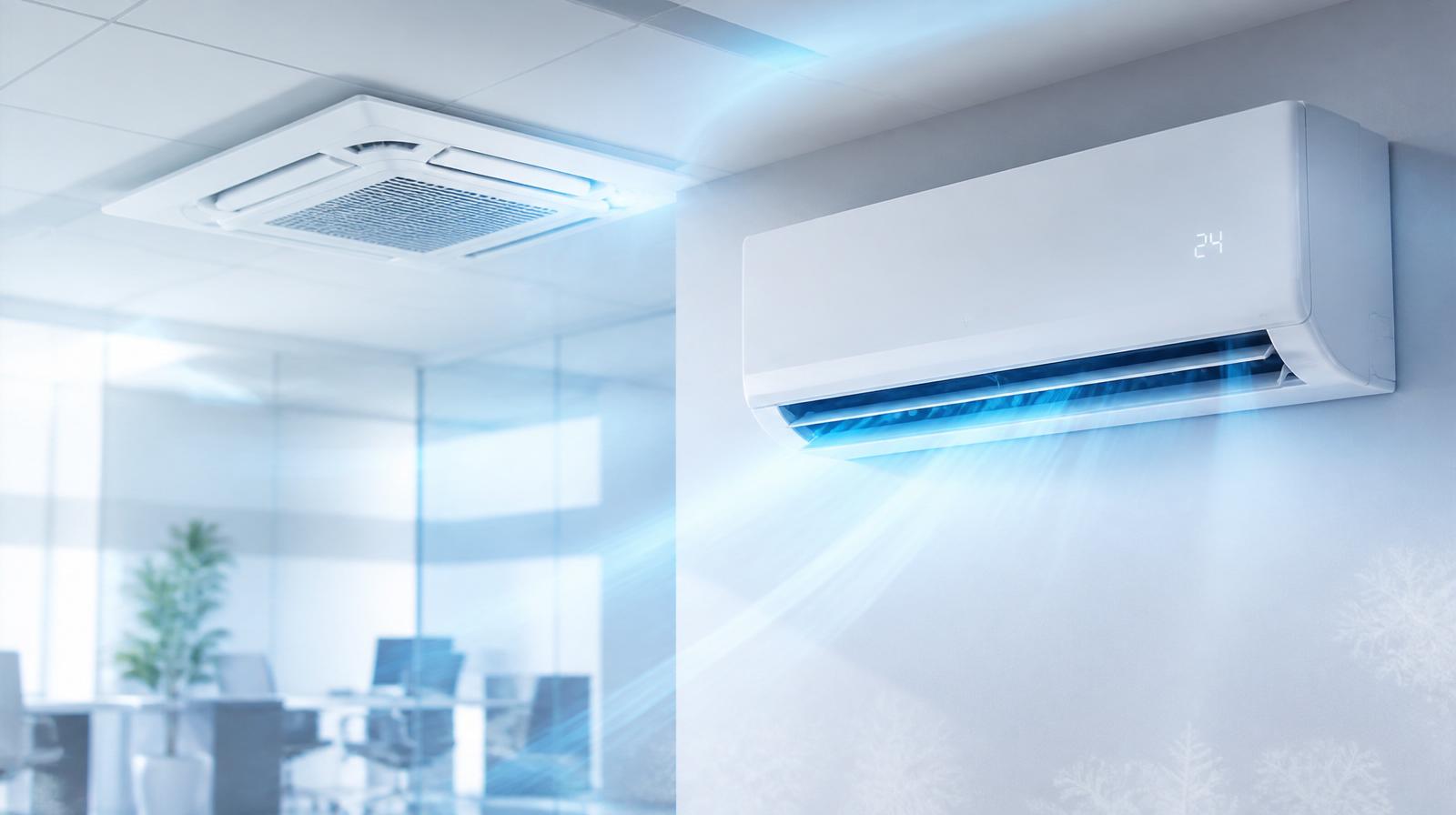
An F-Gas regas restores the correct refrigerant charge after a system has lost gas, been repaired or been opened for authorised work. We service wall-mounted splits, multi-splits, cassette units, ducted air conditioning and suitable VRF or VRV systems, as well as commercial refrigeration equipment such as cold rooms, display cabinets, cellar cooling and refrigerated preparation equipment.
Our engineers assess refrigerant types and equipment individually. Common air conditioning refrigerants include R32, R410A and R407C. Refrigeration systems may use R404A, R448A or R449A. Availability, recovery and reuse restrictions vary by refrigerant and equipment, so we check the data plate, service history and current legal requirements before recommending the correct work.
Signs You May Need an Air Con Regas
Refrigerant works in a sealed circuit and should not be consumed during normal operation. If the charge is low, there may be a leak or earlier service issue that must be investigated rather than covered up with repeated top-ups. Arrange an air con regas assessment if you notice any of the following:
- Cooling is weaker or takes much longer than usual
- The indoor unit blows room-temperature or warm air
- Ice forms on the coil, valves or refrigerant pipework
- The system stops on a low-pressure or refrigerant fault
- Energy use rises while cooling performance falls
- A refrigeration cabinet or cold room cannot hold temperature
Our Refrigeration Regas Process
- 1. System identification and diagnosis. We identify the equipment, refrigerant, expected charge and recent fault history. Temperature, pressure and operating readings help distinguish a low charge from airflow, controls, compressor or component faults.
- 2. Leak checking. Where refrigerant loss is suspected, we carry out an appropriate leak investigation. Depending on the system, this can include visual inspection, electronic detection, pressure testing and checks around joints, service valves, coils and accessible pipework.
- 3. Repair and pressure verification. We explain any leak found and provide the repair price before proceeding. The repaired circuit is checked before recharge; adding refrigerant to a known leaking system is not an acceptable long-term repair.
- 4. Recovery, evacuation and recharge. Refrigerant is handled using suitable recovery and charging equipment. The circuit is evacuated where required, then charged to the manufacturer’s specified type and quantity rather than guessed from pressure alone.
- 5. Performance test and records. We run the system, confirm temperatures and pressures, check for stable operation and record the refrigerant work. You receive clear details of the charge, findings and any recommended follow-up.
F-Gas Certification and Leak-Checking Duties
All work is carried out by F-Gas certified engineers in accordance with the F-Gas Regulations 2014. Refrigerant must be recovered, handled and charged by properly qualified personnel. Operators of equipment above the applicable CO₂-equivalent thresholds also have duties concerning scheduled leak checks, repairs, records and follow-up checks.
The correct interval depends on the refrigerant charge expressed as tonnes of CO₂ equivalent and whether approved leak-detection equipment is fitted. We can identify the refrigerant and charge from the unit data, explain the applicable obligation and provide a suitable leak-check record. This is particularly important for facilities teams managing multiple air conditioning or refrigeration assets.
Coverage and Areas
We provide F-Gas regas visits across London and surrounding areas for homes, offices, shops, restaurants, hotels, server rooms and commercial premises. Tell us the equipment make, model, refrigerant shown on the data plate and fault symptoms when booking so we can prepare the correct tools and refrigerant for the visit.
F-Gas Regas Pricing
From £120 + VAT
The final quote reflects refrigerant type and quantity, system size, access, diagnosis and any leak repair required. We confirm costs before recharge. Additional refrigerant or repair work is not undertaken without your approval.
Related Services
For planned works, see our air conditioning installation service, air conditioning contractors and air conditioning equipment supply pages.
F-Gas Regas FAQs
How much does an F-Gas regas cost?
F-Gas regas and refrigerant recharge starts from £120 + VAT. The final price depends on the refrigerant type, charge weight, access and whether leak investigation or repairs are needed. We confirm the price before charging the system.
Can you regas both air conditioning and refrigeration equipment?
Yes. Our F-Gas certified engineers work on air conditioning units and refrigeration equipment, including systems using R32, R410A and R407C for air conditioning, plus R404A, R448A and R449A for refrigeration where the equipment and current rules permit their use.
Do you have to find a leak before carrying out an air con regas?
Yes. Refrigerant should not simply be topped up when a leak is suspected. We inspect and leak-check the system, identify any repair needed and only recharge after the circuit is sound. This protects the equipment and supports compliance with the F-Gas Regulations 2014.
What are the signs that an air conditioning unit needs regassing?
Common signs include weak cooling, warm air, long running cycles, ice on the evaporator or pipework, unusual pressure readings and a fault code. These symptoms can also have other causes, so an engineer tests the system before recommending a regas.
Who can legally handle F-Gas refrigerant?
Work involving the recovery, charging or handling of fluorinated refrigerants must be completed by appropriately F-Gas certified engineers. Our engineers carry out the work and maintain the service and refrigerant records required for the equipment.